
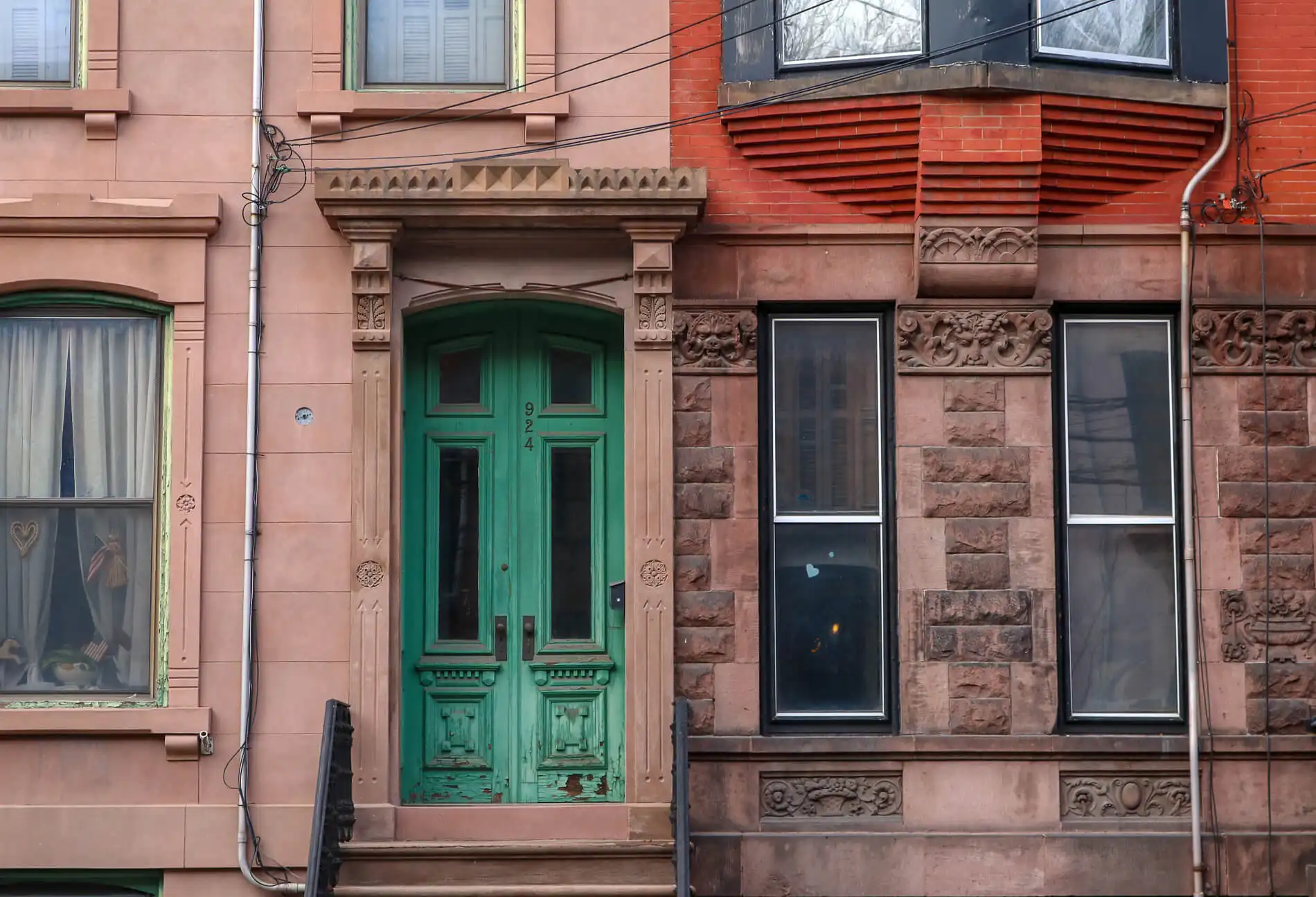
Price in real estate is not driven by square footage alone. Across high-demand markets, architectural detail consistently influences both perceived and realized value. This holds true in Hoboken, Jersey City, Weehawken, West New York, and throughout the Gold Coast.
Architectural features shape buyer perception, strengthen market positioning, and often support stronger pricing outcomes.
Architectural Detail Signals Quality
Features such as high ceilings, detailed millwork, original hardwood floors, window scale, and facade integrity do more than enhance appearance. They communicate craftsmanship, durability, and permanence.
In professional appraisal practice, these characteristics contribute to what is known as functional utility. Functional utility reflects how well a property meets buyer expectations relative to competing homes in the same market. When architectural detail enhances daily living experience, it positively impacts comparative value.
Original craftsmanship also introduces scarcity. Historic details, once removed, are costly and difficult to replicate authentically. Buyers recognize this distinction.
Historic Homes and Preserved Character
Hoboken and parts of Jersey City are known for late nineteenth and early twentieth century rowhouses and brownstones. These homes often include:
• Tall ceilings
• Original hardwood flooring
• Decorative fireplaces
• Detailed crown moldings
• Brick or stone facades
When preserved thoughtfully, these details strengthen both market appeal and pricing resilience. Appraisers evaluate these elements as part of overall condition and desirability when comparing properties.
Homes that retain architectural integrity often outperform similarly sized properties that have lost original character through overly simplified renovations.
Contemporary Architectural Value
In newer waterfront developments across Jersey City, Weehawken, and Edgewater, architectural detail presents differently.
Premium features may include:
• Floor-to-ceiling glass
• Clean structural lines
• Integrated smart-home systems
• Purposeful lighting design
• Amenity-forward layouts
In these buildings, value is driven by modern design clarity rather than historic craftsmanship. Buyers relocating from Manhattan often expect contemporary design standards and respond strongly to well-executed modern architecture.
The key in both historic and contemporary properties is authenticity. Design that feels cohesive supports pricing strength.
Ceiling Height, Light, and Proportion
Spatial proportion directly influences perceived value. Ceiling height changes how volume is experienced. Larger windows alter natural light and orientation. Even when square footage remains constant, these elements affect how expansive a space feels.
Buyers may not quantify these distinctions formally, but they consistently react to them.
Appraisers consider overall design, light exposure, and room scale when determining market comparisons. Properties with stronger architectural proportion often achieve more favorable buyer response.
Preservation and Long-Term Stability
Architectural continuity also contributes to long-term market stability. Historic districts and architecturally cohesive neighborhoods tend to maintain consistent buyer demand because visual identity reinforces community character.
Properties that preserve architectural detail typically age more gracefully in the market than those renovated solely around short-term trends. Thoughtful updates that integrate modern systems while respecting original structure often perform best over time.
When Renovation Reduces Value
Not all renovation enhances pricing. Removing original moldings, altering staircases, or flattening architectural depth in favor of minimal uniformity can dilute a property’s distinctive qualities.
Buyers at higher price points often recognize when character has been removed rather than refined. In these situations, negotiation leverage may weaken.
Renovations that elevate existing architecture rather than erase it tend to preserve pricing power.
Architecture and Buyer Psychology
Architectural detail influences buyer psychology from the first showing. Design coherence builds trust. Proportion builds comfort. Preserved craftsmanship reinforces confidence in overall quality.
When buyers feel aligned with a property’s design story, they are more comfortable supporting strong pricing.
Architecture sets the stage for negotiation strength.
Strategic Presentation Matters
Architectural strengths should be positioned clearly through:
• Professional photography that captures ceiling height and depth
• Marketing copy that explains craftsmanship and design integrity
• Staging that respects scale and proportion
• Floor plans that demonstrate functional flow
This approach shifts conversation away from cost per square foot and toward qualitative value.
In competitive Gold Coast markets, that distinction often makes the difference.
Architectural detail is not decorative excess. It is a tangible contributor to value perception, buyer confidence, and long-term positioning. Understanding how these elements influence pricing allows both buyers and sellers to approach the market with greater clarity and precision.
Social Cookies
Social Cookies are used to enable you to share pages and content you find interesting throughout the website through third-party social networking or other websites (including, potentially for advertising purposes related to social networking).