
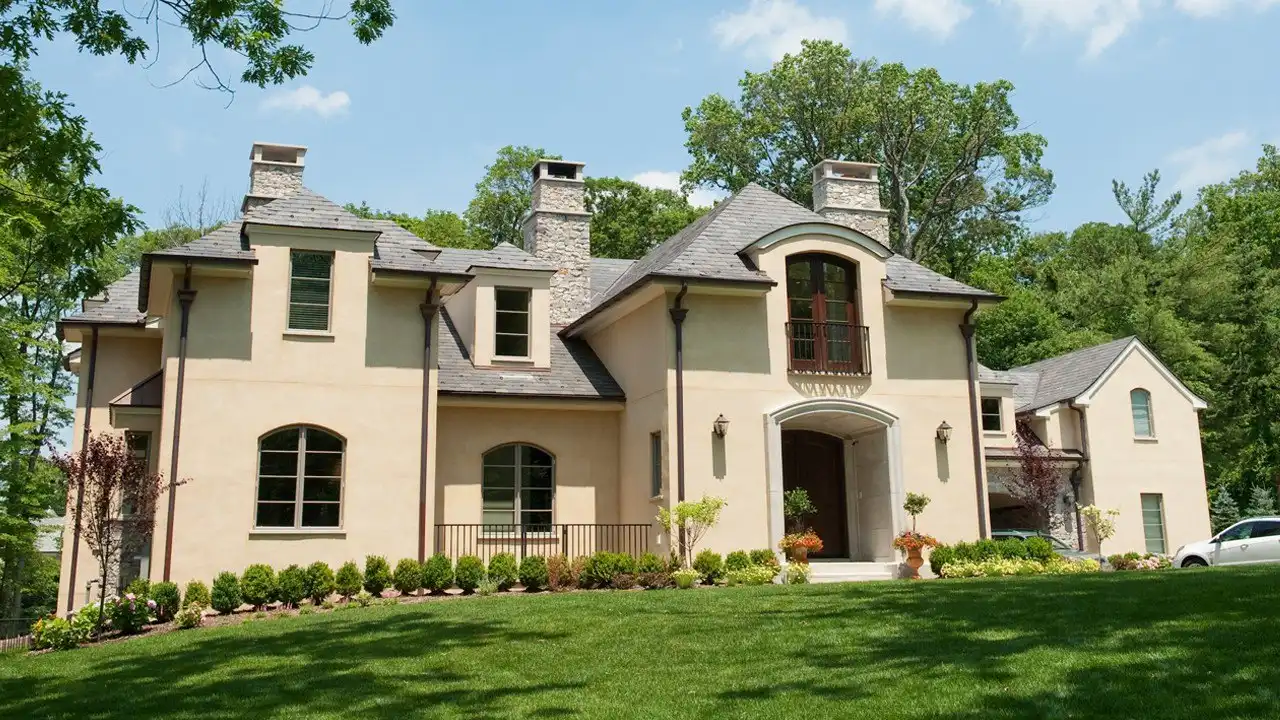
When you buy or sell real estate in New Jersey for $1,000,000 or more, the state imposes an additional tax on top of the standard realty transfer tax. This tax is commonly referred to as the “Mansion Tax,” though its official name in state law is the Graduated Percent Fee when it applies to property transfers above the $1 million threshold.
In 2025, New Jersey passed legislation that significantly changed how this tax works — and those changes are fully in effect for transactions in 2026.
🧾 What the Mansion Tax Is
The Mansion Tax in New Jersey is a transfer tax on high-value real estate transactions. It is part of the state’s broader Realty Transfer Fee (RTF) system — a required tax imposed when real property changes hands. The fee must be paid before a deed can be recorded and title officially transfers.
For property sold over $1,000,000, an additional tax applies based on sale price. This used to be a flat 1% paid by the buyer. Beginning July 10, 2025, the structure became tiered, and the seller is now legally responsible for paying this fee unless the buyer and seller agree otherwise in the contract.
📊 Current Mansion Tax (Graduated Percent Fee) Rates
Under the updated law (effective July 10, 2025), the mansion tax applies on the entire sales price, not just the portion above $1 million. The brackets are:
| Sale Price | Mansion Tax Rate (Graduated Percent Fee) |
| $1,000,001 – $2,000,000 | 1% |
| $2,000,001 – $2,500,000 | 2% |
| $2,500,001 – $3,000,000 | 2.5% |
| $3,000,001 – $3,500,000 | 3% |
| $3,500,001+ | 3.5% |
These percentage rates are applied to the entire sale price — not just the amount above the thresholds.
Example:
If a home sells for $2,200,000, the tax is 2% of $2,200,000 (or $44,000) — applied to the full amount, not only to the portion above $2 million.
👤 Who Pays the Mansion Tax?
- As of 2025 and continuing in 2026, the mansion tax is legally the seller’s responsibility at closing.
- The purchase contract can still shift costs contractually, but the state requires the seller be financially responsiblefor the tax when recording the deed.
This is a significant change from prior law, where buyers paid the 1% mansion tax.
🧠 How It Relates to the Realty Transfer Fee (RTF)
The mansion tax sits on top of the standard Realty Transfer Fee, a separate tax that also applies to most property sales in New Jersey. The RTF is calculated based on the sale price and is also typically paid when the deed is recorded, most often by the seller.
Together:
- The RTF applies to most residential sales.
- The Graduated Percent Fee (Mansion Tax) applies when sales exceed $1 million.
Both are collected at closing as part of the transfer recording process.
🏠 What This Means for Buyers and Sellers
For Buyers
- As of 2026, buyers do not pay the mansion tax by default — the seller does. However, contracts often negotiate who actually covers the cost.
- Buyers should be aware this is a cost negotiation point, especially in competitive markets where sellers may try to offset the added expense by adjusting price or other terms.
For Sellers
- Sellers of properties over $1 million should budget for this tax. It can be a meaningful expense at higher price points.
- Because the rate applies to the entire sales price, small increases above a bracket threshold can result in disproportionately large tax changes.
For example, a home that just crosses a higher rate tier may incur several percentage points more tax on the entire sale price.
💡 Special Timing Considerations
Sales contracts fully executed before July 10, 2025 and recorded on or before November 15, 2025 could qualify for a refund of amounts above the old 1% rate, but this deadline has passed for most transactions.
🏡 Does It Apply to All Property Types?
The mansion tax (Graduated Percent Fee) applies to:
- Class 2 residential property (typical single-family and condos)
- Certain farm properties with residential structures
- Some commercial properties with residential elements
- Cooperative units within qualifying categories
Other property types and transfers may have separate applicability rules or exemptions.
🧾 Why It Matters
The mansion tax is more than a line item at closing. It affects:
Pricing strategy: Sellers may adjust asking price knowing they carry this tax.
Negotiations: Buyers and sellers can negotiate who ultimately pays.
Timing decisions: In tight markets, knowing when to execute and record a deed is crucial.
Because this tax impacts the bottom line, it’s an important factor in planning any high-value transaction in New Jersey real estate.
Social Cookies
Social Cookies are used to enable you to share pages and content you find interesting throughout the website through third-party social networking or other websites (including, potentially for advertising purposes related to social networking).